
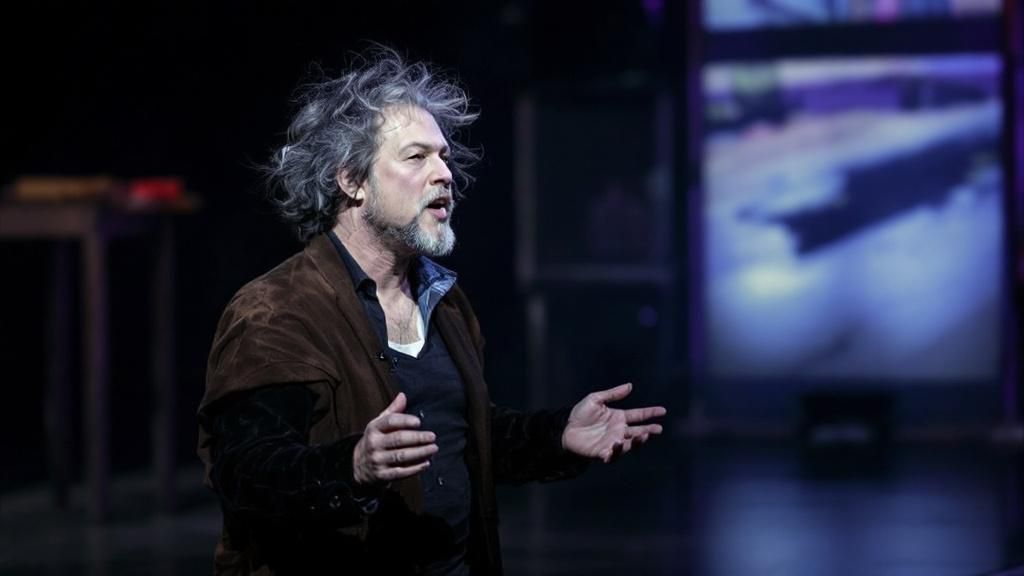
The National Theatre has unveiled an extensive programme created to expand engagement with classical drama across the United Kingdom. This pioneering initiative seeks to bring world-class theatrical productions to communities far outside London’s West End, ensuring that audiences in remote and disadvantaged regions can experience Shakespeare, Chekhov, and current renderings of classic works. Through inventive travelling productions, virtual mediums, and partnership collaborations, the theatre is significantly transforming how Britain engages with dramatic literature, making high-quality performances an entitlement rather than a privilege.
Making Theatre Accessible to Outstanding Theatre
The National Theatre’s scheme represents a fundamental change in how period plays connects with patrons within the United Kingdom. By eliminating location-based obstacles and budgetary limitations, the programme ensures that populations in countryside regions and financially struggling communities can experience productions previously reserved for the capital’s prestigious theatres. This commitment to inclusivity reflects a fundamental belief that artistic merit should not be determined by postcode or disposable income, but rather allocated equally among all individuals independent of their circumstances.
Through key partnerships with theatre companies across regions, schools and universities, and local arts organisations, the National Theatre is developing sustainable channels for interaction with classical works. The programme includes productions on tour, subsidised ticket schemes, and locally-driven versions that foster local engagement and cultural investment. By fostering these collaborative relationships, the theatre transforms from a London-focused venue into a expanded network of cultural excellence, ensuring that the profound impact of dramatic art becomes genuinely accessible to theatre-goers across the country.
Digital Advancement and Community Engagement
The National Theatre’s approach depends on advanced digital solutions to extend its reach throughout the country. By harnessing digital platforms and virtual performances, the institution enables simultaneous access to performances for audiences without the ability to attend live. This technical systems opens up cultural engagement, enabling audiences from Cornwall to the Scottish Highlands to experience world-class performances from their own communities. The initiative also features immersive digital content, educational materials, and behind-the-scenes content, enhancing audience engagement beyond traditional stage productions and encouraging greater involvement with classic theatre.
Equally noteworthy are the strategic partnerships forged with regional theatres, council bodies, and community groups across the United Kingdom. These working relationships guarantee productions connect with audiences from different backgrounds whilst supporting grassroots cultural infrastructure. The National Theatre delivers financial support, specialist knowledge, and creative guidance to partner venues, establishing enduring cultural frameworks in communities lacking cultural investment. By working alongside community organisations rather than imposing London-based criteria, the initiative respects community character whilst preserving artistic standards. This partnership model transforms classical drama into a authentic countrywide initiative, rooting theatrical culture in local areas and creating enduring cultural heritage.
Effects and Forward-Looking Strategy
The initiative’s influence goes well past simple attendance numbers, substantially reshaping cultural participation throughout the country. Regional theatre venues document record engagement figures, with theatre-goers uncovering fresh appreciation for classical works previously deemed out of reach. Communities that historically lacked theatre facilities now enjoy live performances, educational workshops, and insider perspectives. This broadening of access cultivates a more inclusive cultural sphere, encouraging younger generations to participate in dramatic literature as an integral component of their educational and social development.
Looking ahead, the National Theatre projects ongoing growth of this groundbreaking scheme throughout the next ten years. Strategic investments in digital technology are set to expand reach, allowing concurrent transmissions and direct access to recorded performances. Working relationships with academic bodies will integrate traditional theatre within classroom teaching, fostering enduring interest for stage performance. The scheme represents a watershed moment, setting the concept that exceptional theatrical experiences form a basic cultural entitlement rather than an exclusive London-based privilege.
As this pioneering programme keeps developing, its success ultimately depends upon sustained funding, audience involvement, and collaborative partnerships. The National Theatre remains committed to measuring impact through public response, visitor numbers, and learning results, ensuring accountability and ongoing development. This groundbreaking programme represents a significant change in British cultural values, affirming that classical drama is accessible to everyone.
